BlogPost#1: Genre Research
- Iris Li
- Nov 3, 2022
- 5 min read

Updated: Sep 7, 2023
Graham Burton: "Genres are created through a process of repetition and recognition leading to anticipation and expectation"

Genre:
-Definition: A term which can be applied to a variety of forms of media, ranging from music and film to magazines and books.
-Genre categorizing films.
-Consists of four elements or parts: character, story, plot and setting.
Sub-Genre:
- Different genres contain different sub-genres which further define and categories the media text.
Hybridity:
-The media text shares the conventions of more than one genre.
-Genre change by using modern social issues, different characters, new techniques, or hybridity.
-Repertories, forms, and conventions refer to the elements that commonly occur in the genre in a film, thees set up audience expectations.
-Genres having a repertoire is when a scene being shown in other films before has been shown again to link to the genre
-The style and conventions of the genre makes the theme stand out and unique.
Verisimilitude: the appearance of being real; the quality of resembling reality.
The term verisimilitude originates from the Latin “verisimilitudo,” which is derived from “verisimilis” (meaning “probably”); “verus” (meaning “true”); and “similis” (meaning “like”).
Verisimilitude is enhanced by filmmakers presenting certain facts and parameters of a film’s reality. It is an vital element of genre, it also linked to culture or the time period.
Importance of genre for audience and producers:
Importance for audience:
-Create a convenient situation for better classification of the movie.
-Find what they expect and satisfied.
Importance for media producers:
-Reduce the risk of failure
-Making a forecasting (guarantees a degree of success).
-Target specific and defined audiences.
Main types of genre with examples:


•Comedy: Mr. Bean, Very Bad Things
•Drama: The Great Gatsby, Breakfast at Tiffany's, House of Cards
•Romance: Titanic, Romeo and Juliet
•Adventure: Lawrence of Arabia, Marvel movies
•Action: Hero
•Animation: The Nightmare Before Christmas, Robin Hood
•Horror: Shining, The Babadook
•Thriller: Brick, Us, Black Swan, Se7en
•Science-Fiction: Jurassic Park, Star Wars: A New Hope
•Fantasy: Alice in Wonderland, Harry Potter, Game of Thrones
•Crime and Gangster(Detective/Mystery): Deception, Goodfellas
•Epics/Historical: The first man, Catch Me If You Can
•Musical: La La Land
•Western: Western World
•War: Save private Ryan
•etc.
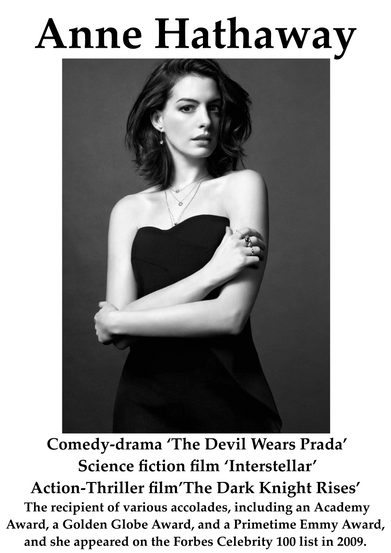
Known Directors and Actors:







Genre theory by Steve Neale: "Genres are instances of repetition and difference"
-The idea of Genre theory, Steve Neale suggests that genres may be dominated by repetition, but are also marked by difference, variation and change. He believes that films include features/traits that are similar, and also include features that are different, which keep audience interested.
-The importance of difference is due to the development of the economy of the genre.
-Repetition is the codes and conventions used in a film that makes it fit into a particular genre.
-Difference is the subverting of certain codes and conventions that make the film unique in some way.
-How much it conforms to its genre’s individual conventions and stereotypes: a film must match the genre’s conventions to be identified as part of that genre.
-How much a film subverts the genre’s conventions and stereotypes: the film must subvert convention enough to be considered unique and not just a clone of an existing film.
Related theory, Semiotics by Roland Barthes: "Media products are decoded by their readers"
Barthes states that:
-Denotative reading: Occurs when readers recognize the literal or physical content of media imagery.
-Connotative decoding: The deeper understandings prompted by media imagery and to the emotional, symbolic or even ideological significances produced as a result of those readings.
Five codes symphony operate like voices or instruments in a band.
-Hermeneutic codes(enigmas: construct moments of mystery to intrigue the viewer, hook viewers, compelling further reading to viewing to locate answers to the questions posed.
-Proairetic codes(actions: narratives also offer moments in which meaning is conveyed through action or demonstration. Action provides explanation to excitements.
-Semantic codes(connotative elements: any element within a media text that produces as a single connotative effect.
The use of compositional effects, pose or even to typographic decisions and the significations that text size or font selection convey.
-Symbolic codes: each for repeated symbols that convey a deeper meaning.
Surface as repeated themes or visual motifs and are referenced throughout the story in a thread of continuous underlying meaning.
-Cultural codes(referential codes: the inclusion of material that generates meaning from outside the products, include references to scientific or historical knowledge.
Codes and Conventions in films:
-Symbolic codes: Setting, props, costumes, body language, narrative/theme.
-Technical codes: camera angle, movement and shot, editing, lighting.
-Audio effects (codes): Sound effects, music and dialogue.
Key conventions in different Genres (MindMap):

Summary of Trailers:
Trailer is a commercial advertisement, originally for a feature film that is going to be exhibited in the future at a movie theater/cinema, consist of a series of selected shots from the film being advertised.. It is a product of creative and technical work.
The purpose of the trailer is to attract an audience to the film, these excerpts are usually drawn from the most exciting, funny, or otherwise noteworthy parts of the film but in abbreviated form and usually without producing spoilers.
The trailer should be less than 2 minutes and 30 seconds, the maximum length allowed by the MPA. Each studio or distributor is allowed to exceed this time limit once a year, if they feel it is necessary for a particular film.
Examples of trailers:
'Pulp Fiction':
The director uses straight shortcuts to introduce the main characters at the beginning.
The director uses the characters' representative shots with the main cast’s names at the end of the trailer.
The music changed five times with the titles, the first and the last music is the same.
The music changes with the theme sequence two times: Loyalty, Betrayal, and Crime. The part about betrayal and crime used the same music. For the next two parts, the music changes with the character’s sound, the character speaks in silence, and the music follows immediately.
When turned to loyalty, the tone of the music was chill, calm, country-style music. When the themes change to Betrayal and Crime, the style of the music changes to popular music, and the uses of the instruments, the bass, and drum beats build up the layers, preparing for the sudden silence. Arguably, the style of the two pieces of music are stick to the themes, making the audience conform to the theme of the film.
With the three shots at the beginning, the music started, a quick intense bass beat. In the first scene is pumpkin put down his gun, which perfectly connects with the previous shot- the three gun holes.
The clips/shots are closely related to their themes, and the tempo and the pitch increase along the trailer, giving the audience an enthusiastic feeling.
There are also some conventions of the crime-thriller genre, such as cigarettes, and guns. The number of scenes in the dark, gloomy bar. All of these would make the theme and the genre stand out.
The film 'Pulp Fiction' is a crime-thriller genre film, combining the old-school style and gangster culture. We could find those elements in the trailers, especially the three theme titles. Loyalty, Betrayal, and Crime are three key elements in crime-thriller genre films, which the audience could identify whether they are interested in this type of film.
Other films' trailer:
Black Panther
Us
I chose the thriller genre as my two minutes film opening at the end with my partners. Thriller movies intrigue me in many aspects. When the characters find out more clues, the truth will come out. Those clues or pieces of evidence are all assembled by different symbolic codes, from settings to body language. Moreover, in my previous task, I didn't have the chance to set up the misé-en-scene (the lighting, the settings and etc.) , so I want to focus more on those things I didn't try before. I want to try different things and do different work. The Thriller genre would be one of the opportunities that I could attempt and explore new things.
Nicholas Abercrombie - 'the boundaries between genres are shifting and becoming more permeable' we are getting more hybrids and sub-genres as texts cross between categories to maximise audience appeal. He also suggested that ‘We derive pleasure from observing how the conventions of a genre are manipulated’. Knowing what to expect in a text makes us enjoy the unexpected.


Comments